Hayley Howe is a distinguished sexual health expert with over a decade of experience in promoting healthy and informed discussions about sexuality, relationships, and wellness. Known for her approachable and engaging communication style, Hayley has made significant contributions to both traditional and unconventional sectors of health and wellness.
The average person passes gas between 12 and 25 times per day. Most of these farts occur at the end of the day or while sleeping. Have you ever wondered why you feel more gassy as night falls?
Believe it or not, there are scientific reasons why you fart so much at night. Keep reading to discover these, plus tips for reducing or increasing your flatulence, depending on your preference.
Why Do I Fart So Much At Night?
Most people prefer passing gas in the comfort and privacy of their own homes. But what happens when you’re farting frequently at night and you share your bed with someone else? This can cause embarrassment, loss of sleep, and even impact your sex life. Instead of holding your farts in and feeling discomfort, it’s best to learn what causes these nighttime toots, plus ways to reduce them.
Let’s start by discussing how your body ingests, digests, and expels foods and gas. The digestion process starts in the mouth. When you start chewing food, your body releases salivary enzymes to start digesting carbohydrates. Once you swallow, food particles enter the esophagus and pass into your stomach. Chewing slowly and reducing how much air you swallow can help produce less gas and improve the digestive process.
From here, foods are mixed with stomach acids and broken down even further. Peristalsis, or automatic movements, help push food particles through your stomach and into the small intestine, where they mix with digestive juices produced by the liver and pancreas. Most nutrients from the foods you eat are absorbed into the blood. The large intestine is responsible for absorbing any remaining nutrients along with water to then change waste liquid into stool. Stool is stored in the rectum and eventually pushed out as a bowel movement.
When the body is working efficiently, this process is pain-free, smooth, and regular. When there’s an obstruction present, an increase in gas and pressure, or other complications, you can experience a rise in unwanted flatulence at night, bloating, discomfort, and painful constipation. While it’s normal and healthy for your body to produce and expel gas during this process, certain things can increase how much flatulence you expel at night. Here are some of the most common causes.
You’re Full and Bloated
If you’ve ever seen a comparison of someone’s stomach first thing in the morning and then later in the day, you know that meals, drinks, and general activity can drastically affect the appearance and size of a stomach. When you first wake up in the morning, you’ve essentially been fasting for nearly 8 hours. Your stomach is flat from lack of food or drink.
For sellers:
Connect with buyers who are looking to get acquainted with your scent
As the day goes on and you begin to move around and consume several meals and beverages, your stomach will naturally fill and bloat. Even if you have regular bowel movements, your stomach will still be more distended at night than it is in the morning. The amount of belly expansion you notice will vary based on several factors. Things like swallowing too much air, eating too quickly, or certain food sensitivities can all affect how obvious and uncomfortable your bloating is. At nightfall, your body will work to eliminate this built-up gas in the form of farts.
You Ate Too Close to Bedtime
Timing is everything when it comes to eating and promoting healthy digestion. Sleep professionals recommend your last meal be at least 2 hours before bedtime. This gives your digestive system ample time to work and prevents unwanted discomfort and weight gain. Unfortunately, this isn’t always possible for some people. Busy work and life schedules, plus poor eating habits, can leave us shoving food in our mouths on the way to the bedroom.
Eating too close to bedtime can also cause gastrointestinal discomfort, including excess gas and farts. You should also choose a small, light meal over something too heavy or large. Consuming large quantities of food and then lying down is a recipe for disaster and intestinal distress.
Eating the Wrong Foods
When you eat is only one cause of increased gas at night. What you eat also plays a big role. It’s no secret that certain foods produce more gas than others. For example, broccoli, cabbage, beans, dairy products, and other fruits and vegetables can all cause increased flatulence. Consuming too many of these foods throughout the day or at night can lead to a fury of farts as you climb into bed.
High-fiber foods are one of the biggest culprits when it comes to nighttime gas. Fiber is the indigestible part of certain carbohydrates. While it’s essential for good heart health and digestion, too much of a good thing can be bad. It’s recommended that healthy adults consume between 22 and 34 grams of fiber daily. Fiber is also what “bulk up” food, helping you feel fuller longer and produce consistent bowel movements. Fruits, vegetables, seeds, nuts, and whole grains are all high-fiber foods. Eating too many of these foods throughout the day or at dinner can lead to a sharp increase in gas production, bloating, and nighttime toots.
Certain carbs and foods containing sugar are also to blame for increased flatulence at night. These include dairy products (ice cream, milk, and cheese), sugar alcohols, high fructose corn syrup, and wheat. If you notice that consuming these foods is causing unwanted gas between the sheets, reduce your intake or try ingesting them earlier in the day.
Ingesting Carbonated Beverages
The foods you eat aren’t the only things that can cause unwanted flatulence before or during sleep. Carbonated drinks like soda are made using carbon dioxide, which is a gas. Therefore, it should come as no surprise that consuming too many carbonated beverages at night could lead to increased gas. As the air bubbles get trapped in your digestive tract, they need somewhere to go. Often, they’re released out your backside as a fart or up your airway as a burp.
These conditions worsen if you drink out of a straw since this significantly increases how much air you swallow – another common cause of gas. Switch your carbonated beverage for a glass of water. Not only will this reduce your gas and bloating, but it could actually prevent it (see below).
Eating Too Quickly
Eating too fast can also result in swallowing large amounts of air and increasing the likelihood that you let one (or a few) rip at night. Studies show that swallowed air is actually one of the main sources of gas in the stomach. Sometimes, this trapped air is forced up your esophagus and out your mouth as a burp. Other times (especially when lying down), the air is pushed into your small intestine and out your bum!
So, next time you reach for that nighttime snack or sit down for a delicious dinner, remember to eat slowly, chew your food well, and pay attention to your body’s natural hunger cues. All of these tips can reduce the amount of air you swallow and, in turn, how much you fart.
You’re Constipated
Asking, “Why do I fart so much at night?” may have little to do with what you’re putting into your body and more to do with what’s NOT coming out. Constipation is another common trigger for excessive gas, bloating, and discomfort. On average, a healthy adult has between 3 bowel movements per day and 3 movements per week. Anywhere in this average is considered normal as long as you aren’t experiencing other symptoms or concerns.
If you’re not experiencing at least 3 bowel movements per week or you’re struggling to go, you may be constipated. This can result in a long list of unpleasant side effects, including a distended stomach, gas pains, nausea, and, you guessed it, frequent farting! These symptoms will worsen at night since you’ve been consuming food and drinks all day without passing the built-up waste out of your system. The more you consume, the more discomfort and pressure you’ll experience. You may notice a reduction in passing gas once you have a sufficient bowel movement and empty your system.
You’re Dehydrated
Hydration is a crucial component of maintaining overall health and well-being. The human body is made up of 60% water, on average. Drinking your daily dose of H20 helps support basic bodily functions. It offers other benefits, like lubricating muscles and joints, regulating water temperature, and supporting healthy skin, just to name a few. Water is also a magnet for fiber. As your body digests fiber, it simultaneously absorbs water, helping it move more easily and smoothly through the digestive tract. Water can also prevent constipation, reduce bloating and gas, and help you fart less.
According to the US National Academies of Science, Engineering, and Medicine, healthy men should drink 15.5 cups of fluids, and healthy women should consume 11.5 cups. Pregnant and breastfeeding women require 10 cups and 13 cups, respectively.
Lack of Exercise
Exercise does more than just keep you fit and healthy. It also keeps you regular and helps you pass gas more naturally and less often. According to medical professionals, performing daily physical activity is the most effective way of keeping your GI tract healthy and functioning efficiently. Slow GI motility can cause constipation and either inefficient or incomplete defecation. This, in turn, produces methane gas in the intestines, triggering increased flatulence.
The best part is that it doesn’t matter when you work out. Whether you prefer a morning sweat sesh or like to hit the gym later in the day, after work, or even at night, any form of exercise will help keep your digestive tract running smoothly and your nighttime flatulence to a minimum.
Chewing Gum
Chewing gum is a favorite pastime of many. Not only does it offer a convenient alternative to brushing your teeth, but it also gives you fresh breath, curtails your hunger, and may even reduce anxiety and boost your mood. One downside to chewing too much gum (besides a possible visit to the dentist) is increased gas at night. When you chew gum, you naturally swallow large amounts of air, which we already know can increase both belching and flatulence. But what most people don’t realize is that certain types of gum, especially the sugar-free variety, are made with sugar alcohol. When consumed in large quantities, sugar alcohol can increase bloating and gas. Sugar alcohols like maltitol, erythritol, mannitol, and xylitol are all poorly absorbed by the body.
This doesn’t mean you have to stop chewing gum completely. Instead, try to chew gum only once per day or every few days. Never swallow gum, and try to only chew it for between 15 and 30 minutes per day.
Smoking Cigarettes
Smoking cigarettes can negatively affect your body in numerous ways, from an increased risk of lung cancer to yellowing teeth and shortened life expectancy. One side effect people don’t always discuss is increased gas. The nicotine in tobacco cigarettes affects the smooth muscle of the colon. These changes can also affect how well-digested material moves through your gastrointestinal tract. Nicotine also interferes with the enteric nervous system, which plays an important role in the production of bowel movements and healthy gut activity.
Cigarettes can also trigger other unpleasant symptoms that might cause you to pass more gas more often. An increase in gastric acid, acids, enzymes, and other substances can harm the stomach lining, weaken the body’s sphincter muscles, and increase inflammation in the intestinal tract.
Everything You Need to Know About Farting in Your Sleep
Not all nighttime flatulence occurs when you’re awake. A lot of people fart in their sleep without even realizing they’re doing it. One reason is that your body enters a different metabolic state while sleeping.
Sleep also affects how your anal sphincter works, including how relaxed it becomes and how much pressure is in your rectum. The sphincter muscles, which are ring-shaped muscles that contract and relax to open and close your anal canal, rely on specific messages and reflexes from the nervous system.
One such reflex is known as the colonel reflex. This engages when you fart by allowing both internal and external anal sphincter muscles to respond to different pressure waves in the rectum. The RAIR (rectoanal inhibitory reflex) controls the internal sphincter muscles but not the external ones, controlling both gas and bowel movements. Healthy individuals don’t generally lose control over their bowels during sleep. These muscles do, however, relax enough for gas to pass by. All of these elements work together to help your body expel gas during the night.
While you can’t consciously prevent or reduce these farts (since they’re happening without your knowledge or effort), making some of the subtle changes below can reduce how much gas is expelled at night.
Tips for Reducing Nighttime Tooting
Now that you know the answer to, “Why do I fart so much at night?” you can make the necessary changes to reduce these embarrassing events. Start by trying a few of these easy techniques.
Eat small meals slowly
Avoid gas-producing foods
Exercise regularly
Drink your recommended daily dose of water
Avoid chewing too much gum
Quit smoking (if possible)
Get proper-fitting dentures
Avoid eating foods that are triggering or irritating to your bowels
Passing gas is a healthy part of life. While some people experience more farts in the morning, other people are left asking, “Why do I fart so much at night?”. Knowing the causes of your increased flatulence can help you reduce it. Unless, of course, you’re interested in the unconventional yet lucrative business of selling farts in a jar.
Click here to learn how to make money off your body’s natural ability to produce fragrant farts.
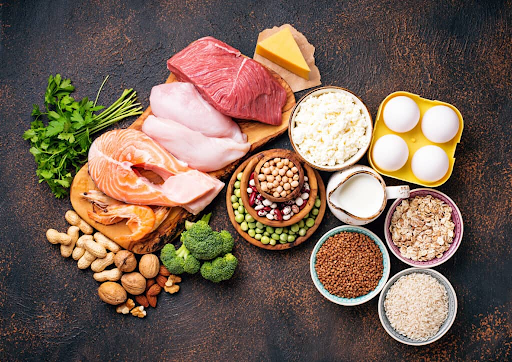
High protein diets are good for a lot of things like building and maintaining muscle and losing weight. Incorporating more protein into your diet also has one less-than-desirable side effect for some people – increased flatulence. Not only does protein make you fart more often, but you may also notice that your toots are stinkier than ever. But why is this?
There’s no better feeling than waking up in the morning, stretching, placing your feet on the floor, and letting one rip! Did you ever notice that your flatulence is at an all-time high first thing in the morning? There’s a reason. And we’re going to tell you why!
Silent. Loud. Stinky. Odorless. No two farts are alike. Various things affect how strong our farts smell and how loud they are. But what about how they feel? If you’ve ever experienced a fart that felt warm or hot on its way out, this article is for you!
Silent. Loud. Stinky. Odorless. No two farts are alike. Various things affect how strong our farts smell and how loud they are. But what about how they feel? If you’ve ever experienced a fart that felt warm or hot on its way out, this article is for you!
Silent. Loud. Stinky. Odorless. No two farts are alike. Various things affect how strong our farts smell and how loud they are. But what about how they feel? If you’ve ever experienced a fart that felt warm or hot on its way out, this article is for you!
Silent. Loud. Stinky. Odorless. No two farts are alike. Various things affect how strong our farts smell and how loud they are. But what about how they feel? If you’ve ever experienced a fart that felt warm or hot on its way out, this article is for you!