Can Holding in a Fart Really Be Dangerous? - Whiffr Blog

Can Holding in a Fart Really Be Dangerous?

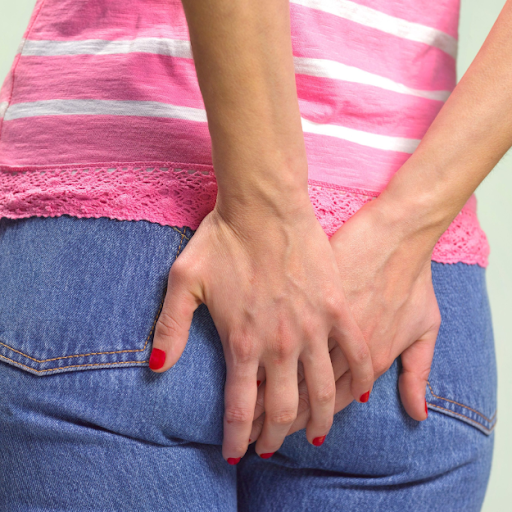
The average adult passes gas between 10 and 20 times per day. Farting is a natural, healthy part of life. And for some people, it’s a huge turn-on. But even as fart fetishes and fascination over flatulence grows, some people still find passing wind embarrassing or offensive. And it’s these same people that sometimes hold in their farts to avoid uncomfortable moments or humiliation.

Unfortunately, holding in your farts can have some negative effects on your health and well-being, including stomach cramps, nausea, and bloating. But the question remains – can holding in a fart really be dangerous?

Keep reading to find out the risks of holding in your farts, tips for reducing gas, and reasons to embrace this natural – and potentially pleasurable – bodily function.

Why Is It Important to Fart?

Farts are your body’s way of expelling gas that’s built up in your digestive system. Farts are produced for various reasons, from swallowing air throughout the day to dietary choices, gut health, and as a result of the basic digestive process. Gas builds up in various parts of the body, too, including the small intestine, rectum, colon, and stomach. Not only does passing gas feel good, but it helps reduce stomach pressure and bloating.

Can Holding in a Fart Really Be Dangerous?

Although holding in a fart can be uncomfortable, studies show that it’s not actually dangerous. Not passing gas won’t cause you to fill up with air, explode, implode, or anything of the sort. Instead, when you hold in a fart, it causes intestinal distension or expansion, which leads to bloating and discomfort.

Even though holding in a fart isn’t harmful to your health, it’s recommended you release gas when it builds up in your system. A brief moment of embarrassment over your toot will pass a lot quicker than the several minutes or even hours of discomfort and bloating you may experience if you prevent this natural bodily function. Plus, if you or your partner have a fart fetish, letting it fly could be considered a form of foreplay and result in a steamy sex session!

What Causes Frequent Farting?

So, why do some people pass gas more than others? While some individuals may be secretly holding in their toots, others just produce more farts than others. These farts can be more frequent, more fragrant, and louder depending on various factors.

Here are a few causes of frequent farting that could be affecting how much gas you produce and expel.

The Time of Day

Most people are more gassy toward the end of the day and first thing in the morning. That’s because gas has time to build up over the course of the night and the day. During your awake hours, you swallow more air and ingest gas-producing foods, which can cause late-night toots. In the morning, once your body is up and moving, the air in your stomach starts to flow and needs somewhere to go – out your bum!


For sellers:
Connect with buyers who are looking to get acquainted with your scent
Receive money instantly and safely
Sell Now
For buyers:
Find the right seller to buy their lovingly bottled farts
Access exclusive content from sellers not available anywhere else
Buy Now

More than 60% of people also report having a bowel movement in the morning. As your body prepares to have a bowel movement, it also stimulates the intestinal muscles – both of which can increase the likelihood that you’ll pass gas.

Diet

The foods you eat play the biggest role in both how often you fart and what they smell like. Certain foods (see below) can produce more frequent and fragrant farts. For some people, beans, bran, and broccoli are the culprits, causing them to produce excess gas. Not everyone’s gut reacts the same way, though, so pay close attention to which foods either upset or activate your stomach.

High-fiber foods, those containing probiotics and low-calorie sweeteners, are all known for increasing flatulence in most people. Sweeteners contain a variety of ingredients that may irritate your intestines, including maltitol, mannitol, sorbitol, xylitol, and erythritol, so be sure to use these in moderation.

Medical Conditions

Certain medical conditions are more closely associated with frequent gas. Gas may also be a sign or symptom of an underlying condition you didn’t know you had. These health conditions include

  • IBS (irritable bowel syndrome)
  • Constipation
  • SIBO (small intestinal bacterial overgrowth)
  • Celiac disease

Occasional farting or passing gas daily isn’t a cause for concern, however, if you find yourself passing gas more often than you used to or your farts are accompanied by severe stomach pain, cramping, or bloating, it may be time to get your tooths checked by a medical professional.

Pregnancy or Menstruation

This one is for the ladies! One of the unpleasant but expected side effects for expecting women is increased gas. An increase in hormones and hormone activity during both pregnancy and menstruation can slow down your digestion, causing more gas to build up inside your intestines. Eventually, this gas needs to be released, and your body will expel it in one of two ways – either out your mouth or out your rear end. Oh, the joys of womanhood! The good news is, there are plenty of guys who are turned on by both pregnant women and passing gas.

Tips for Producing More Farts, More Often

While some people choose to hold in their farts, others take the stance of the more, the better. From loud, rumbling toots to silent but deadly ones that carry a powerful odor, if you want to sell farts in a jar, experiment with farting during sex, or simply release more gas more often, check out these tips below.

Hydrate

A well-hydrated gastrointestinal tract is a happy and healthy one. Drinking enough water helps keep things moving smoothly along the digestive tract. Someone who drinks the recommended amount of water each day is less likely to have offensive-smelling farts than someone who struggles with water intake. Fiber is another important component of a gut-friendly diet and requires water to be broken down and absorbed properly. If you plan to increase your fiber intake, you’ll need to also focus on improving hydration.

Get Moving

If you’ve ever been plagued by severe gas or needed help getting a bowel movement going, you’ve probably been told to exercise. That’s because physical activity – especially those that involve bending over or twisting your body – is enough to get your gut and gas moving through your system. These movements can quite literally push any built-up gas out of your system, sometimes without warning, so beware! You can also try taking a walk after eating. This helps promote healthy bowel movements, preventing constipation and, in turn, improving the scent of your toots.

Avoid Certain Foods

The frequency and fragrance of your farts are directly related to your diet. While some farts smell worse than others, depending on how backed up you are, some gasses contain a stronger odor because of the foods you eat. Diets high in animal and plant proteins, vegetables, and whole grains can all create smellier farts that are difficult to hide. If you want to improve the smell of your toots, consider adding ginger, wheat brain, fennel, or probiotics to your diet.

Tips for Reducing Flatulence

For those on the other side of the equation who are looking to produce fewer farts vs. more, here are some tips for cutting back on how much gas you expel and how often.

  • Take OTC gas-reducing medications (Gas-X, Pepto Bismol, Beano)
  • Keep a food journal to see which foods in your diet create more or less gas
  • Find out if you’re lactose intolerant (and if you are, avoid dairy products that might upset your stomach)
  •  Speak to your doctor or dietician about a diet change
  • Stop drinking carbonated beverages
  • Eat smaller meals more frequently
  • Eat and drink slowly and allow adequate time for digestion
  • Avoid chewing gum or sucking on hard candies (this causes more air to become trapped in your body)
  • Quit smoking
  • If you wear dentures, ensure that they fit properly

Turn Your Gas Into Cash

There are lots of benefits associated with passing gas. Even though holding in a fart isn’t considered dangerous, it can be extremely uncomfortable. On the plus side, farting can not only make you feel better by reducing pressure and bloating but can also make you rich!

At Whiffr.com, sellers from all walks of life sell their fragrant farts in a jar to eager and excited buyers who get off on the sound, smell, and stigma surrounding flatulence. Click here to browse the page and learn more about how the fart-in-a-jar market works.

What to read next?

Why Does Protein Make You Fart?

High protein diets are good for a lot of things like building and maintaining muscle and losing weight. Incorporating more protein into your diet also has one less-than-desirable side effect for some people – increased flatulence. Not only does protein make you fart more often, but you may also notice that your toots are stinkier than ever. But why is this?

Read more

Why Do I Fart so Much in the Morning?

There’s no better feeling than waking up in the morning, stretching, placing your feet on the floor, and letting one rip! Did you ever notice that your flatulence is at an all-time high first thing in the morning? There’s a reason. And we’re going to tell you why!

Read more

Why Does My Fart Burn?

Silent. Loud. Stinky. Odorless. No two farts are alike. Various things affect how strong our farts smell and how loud they are. But what about how they feel? If you’ve ever experienced a fart that felt warm or hot on its way out, this article is for you!

Read more

What to read next?

Why Does My Fart Burn?

Silent. Loud. Stinky. Odorless. No two farts are alike. Various things affect how strong our farts smell and how loud they are. But what about how they feel? If you’ve ever experienced a fart that felt warm or hot on its way out, this article is for you!

Read more

Why Does My Fart Burn?

Silent. Loud. Stinky. Odorless. No two farts are alike. Various things affect how strong our farts smell and how loud they are. But what about how they feel? If you’ve ever experienced a fart that felt warm or hot on its way out, this article is for you!

Read more

Why Does My Fart Burn?

Silent. Loud. Stinky. Odorless. No two farts are alike. Various things affect how strong our farts smell and how loud they are. But what about how they feel? If you’ve ever experienced a fart that felt warm or hot on its way out, this article is for you!

Read more