Hayley Howe is a distinguished sexual health expert with over a decade of experience in promoting healthy and informed discussions about sexuality, relationships, and wellness. Known for her approachable and engaging communication style, Hayley has made significant contributions to both traditional and unconventional sectors of health and wellness.
High protein diets are good for a lot of things like building and maintaining muscle and losing weight. Incorporating more protein into your diet also has one less-than-desirable side effect for some people – increased flatulence. Not only does protein make you fart more often, but you may also notice that your toots are stinkier than ever. But why is this?
Keep reading to uncover the answer to “Why does protein make you fart?”, plus tips for reducing gas and determining which protein sources pack the stinkiest punch.
What Are Protein Farts?
In life, farts happen. Caused by a release of built-up gas in the digestive system, the human body naturally expels between 13 and 21 farts per day. Some are audible and odorless, while others are what people call “silent but deadly.”
Various factors affect how frequent and how aromatic your farts are, including your activity levels, diet, and genetics. Farts are also triggered by numerous factors like undigested food, swallowed air, health issues, some medications, and, yes, diet! High-fiber diets are synonymous with an uptick in tooting. But what about protein?
“Protein farts” is a term used to describe more frequent and smellier farts resulting from a high-protein diet. While some people claim to fart more often and offend more people after consuming protein products, dieticians report that these claims aren’t well-founded. With that being said, research does suggest that consuming too much protein in one sitting could affect how much bacteria becomes trapped in the lower digestive tract. It can also alter how this bacteria interacts with amino acids in the stomach, resulting in more foul-smelling flatulence.
Popular Protein Foods and Products
People adopt high-protein diets for a variety of reasons. Proven benefits include improved bone health, weight maintenance, muscle production, and increased cognitive abilities. Protein can help you feel fuller longer while consuming fewer calories.
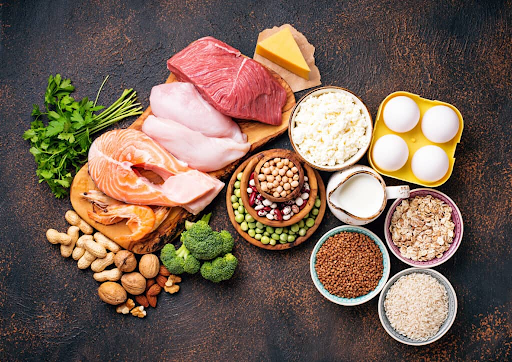
High-protein foods include:
Eggs
Poultry
Fish
Dairy (milk, yogurt, cottage cheese)
Lentils
Lean beef
Turkey breast
Pumpkin seeds
Almonds
Turkey breast
Not all protein comes from natural food sources, though. The fitness industry is overrun with high-protein powders, products, and supplements designed to help athletes and the everyday man (or woman) increase their protein intake and lean muscle mass.
These products include:
Protein powders
Protein shakes
Protein bars
Protein breads and chips
Most people consume enough protein from diet alone. Individual needs, goals, and health conditions can affect how much protein you should consume per day. As a baseline, healthy adults looking to maintain their weight and muscle mass should include .36 grams of protein per pound of body weight. This is the minimum recommended amount for sedentary adults.
For example, a woman weighing 140 pounds only needs 53 grams of protein daily. If the woman adopts a rigorous exercise routine or starts regular strength training, these totals would increase.
Protein consumption depends on the person’s age, gender, fitness goals, and overall health. It’s important to note that consuming too much protein can also have adverse side effects. Dehydration, kidney damage, weight issues, and digestive problems have all been linked to high-protein diets.
Why Does Protein Make You Fart?
Speaking of digestive issues, high-protein diets can cause gastrointestinal unrest, including bloating, constipation, diarrhea, and excessive gas. But why?
Protein and Fiber Unite
One theory is that many high-protein foods also contain gas-producing elements and ingredients. For example, vegetables, dairy products, and legumes. Many high-protein foods also contain high levels of fiber. Fiber is known for producing more gas and promoting healthy digestion. On the other hand, some high-protein diets actually lack adequate fiber, which may slow down digestion and increase the time between bowel movements. The more feces that becomes trapped in your bowels, the smellier your farts become. (Not to mention, you may notice increased bloating and discomfort.)
For sellers:
Connect with buyers who are looking to get acquainted with your scent
Diets high in plant-based proteins may also be to blame. Protein sources, such as nuts, wheat, and beans, are known to cause increased flatulence and are popular choices among vegan and vegetarian dieters. Plant-based and vegan protein powders are also becoming increasingly popular and contain many of these same ingredients, which could make your farts more frequent and foul.
Using Protein Powders and Supplements
Other experts claim that it’s the additives in manufactured protein powders, supplements, and products that actually cause the increase in flatulence, not the protein itself. Lots of protein powders include other ingredients, like lactose – a common trigger for intestinal issues and foul-smelling farts. In these products, lactose comes in the form of whey or casein. Thickeners and artificial sweeteners added to protein powders, like sorbitol, may also be to blame.
An alarming 70% of people have difficulty digesting lactose. And most people don’t realize that lactose is an active ingredient in a wide range of high-protein products, supplements, and foods. It’s not just reserved for ice cream and milk. One way to avoid protein farts triggered by lactose is to choose supplements, powders, and products with natural ingredients or the least amount of ingredients.
High-Sulfur Content
Protein doesn’t just have an effect on the number of farts you produce but also on their powerful stench. Evidence suggests that certain proteins can affect the smell of your gas. For example, foods and ingredients with high sulfur content can lead to exceptionally smelly farts. These include eggs, certain meats, and other dairy products. Cysteine, an amino acid containing sulfur, is a popular ingredient in most protein sources. When cysteine combines with your natural gut bacteria and starts to break down, it produces high levels of hydrogen sulfide – the primary cause of offensive odors. Other powerfully smelling amino acids include methionine and taurine.
Dehydration
Did you know that nearly 75% of Americans are dehydrated? Given that over 50% of the human body is made up of water, you need to drink your daily dose of H20 to keep your body running smoothly. And this includes your digestive tract. An increase in protein coupled with more physical activity requires more fluids to prevent dehydration. Unfortunately, not everyone makes these necessary adjustments, leading to dehydration and bad gas! If you’re also reducing the number of carbs you eat, your body will naturally require more fluid intake. Staying hydrated keeps your internal plumbing (aka – intestines and digestive tract) healthy and functioning. So, be sure to get your daily recommended dose if you notice more frequent farts.
Enzyme Overload
Your body is equipped with natural enzymes designed to break down proteins. A healthy, balanced diet allows these enzymes to perform their job without interruption. However, a sudden increase in protein can temporarily send these enzymes into overdrive – overwhelming your system and making it difficult for them to function properly. This leads to incomplete digestion in the small intestine. When this partially-digested food enters the large intestine, it produces more gas, more often.
More Saturated Fats
You might be surprised to learn that high-protein diets are also linked to foods higher in saturated fats. For example, the Keto diet eliminates most carbs by replacing them with foods high in protein and fat, including eggs, red meat, nuts, and certain types of fish. Combining these two nutrients can cause a slowdown in digestion and gut mobility, which may also create more gas output.
Saturated fats are especially troublesome for the tummy. The body can’t digest and absorb saturated fats in large amounts. For example, a 16-ounce steak packs a whopping 90 grams of protein. Unfortunately, it also contains 80 grams of fat! This high fat concentration puts a lot of stress on your digestive tract, resulting in more protein entering the lower intestines and producing excess gas.
Tips for Reducing Protein Farts
If you’re interested in selling farts in a jar, you probably want to increase your flatulence, not reduce it. Extra-stinky protein farts might even land you a bigger payday. However, you need to be mindful of how much protein you consume to avoid the health risks mentioned above.
If you’re currently farting too much, are offended by the smell of your protein farts, or simply need to make a change to your diet, listen up. Below are expert tips on how to reduce the frequency of protein farts and any accompanying side effects.
Try Different Protein Products
The first step in reducing protein farts is to switch up your protein products. If you’re taking one protein powder that contains a long list of active ingredients, lactose, or artificial sweeteners, try a different, more natural variety. Avoid buying protein powder without doing your research first. Protein products containing sugar alcohols like mannitol or sorbitol are more likely to trigger protein farts and increased flatulence. Most protein powders, bars, snacks, and shakes use whey. Unfortunately, not all whey protein is produced the same way. Some are made from concentrates that are high in lactose.
Whey protein isolate, on the other hand, has less lactose and may be gentler on the stomach. This type of whey protein is easier to digest. You can also try a non-lactose protein powder that contains soy or pea as the main ingredient.
Incorporate Herbs Into Your Diet
Herbs have been a remedy for many health issues and ailments for centuries – including tummy troubles. Certain herbs are credited with reducing bloating and gas while also soothing discomfort and promoting healthy digestion. If you’re experiencing unpleasant protein farts, try sipping on peppermint or ginger tea after a meal. Both of these herbs can reduce flatulence, help produce more pleasant-smelling farts, and provide relief from uncomfortable gas pains.
Take OTC Medicines
When in doubt, reach for the medicine cabinet. There are countless over-the-counter gas relief products available for temporary use. From Gas-X and Beano to Pepto Bismol and beyond, if you need a quick fix for your protein farts, these medications might help. Probiotics are another helpful addition for maintaining a healthy gut microbiome and relieving unwanted gas. When shopping for a gas relief product, check the label for active ingredients like simethicone or charcoal – two key ingredients in reducing gas and bloating. Read the labels carefully to find out exactly how and when to take the medication and for how long.
Reduce Your Carb Intake
Protein farts can be caused by more than just a high-protein, high-fat diet. Certain carbohydrates are also to blame. Some of the biggest culprits include:
Garlic
Onions
Beans, peas, and lentils
Cheese and milk
Cruciferous vegetables (broccoli, cauliflower, Brussel sprouts, and cabbage)
Use these ingredients sparingly and avoid consuming too many in one sitting.
Slow Down
We live in a fast-paced world where we’re constantly rushing from one task to another. This sense of urgency often leads to rushed meals that aren’t chewed or digested properly. You may even be swallowing large amounts of air when eating and drinking. Swallowing air is one of the leading causes of trapped gas that’s expelled as a stinky fart or offensive belch later on.
Try to eat slowly, chew your food properly, and not overeat. Consuming several small meals throughout the day is better than gorging on one large meal (especially right before bed). So next time you’re about to scarf down that protein bar or chug that protein shake on your way to the gym, take a breath and slow down. Your stomach will thank you later.
Harness Your Protein Farts and Turn Them Into a Profit
Protein products are like beans – the more you eat, the more you fart. Or are they? Research on exactly how much a high-protein diet impacts digestion and gas production is still ongoing. However, the combined factors above could be causing a spike in your stinky toots. Try adjusting your diet, eating smaller meals, and reading supplement labels carefully to ease your tummy troubles and avoid clearing a room with your fragrance.
If, instead, you want to harness your stench and make a quick buck while doing it, click here and see how some of our top sellers are doing it!
High protein diets are good for a lot of things like building and maintaining muscle and losing weight. Incorporating more protein into your diet also has one less-than-desirable side effect for some people – increased flatulence. Not only does protein make you fart more often, but you may also notice that your toots are stinkier than ever. But why is this?
There’s no better feeling than waking up in the morning, stretching, placing your feet on the floor, and letting one rip! Did you ever notice that your flatulence is at an all-time high first thing in the morning? There’s a reason. And we’re going to tell you why!
Silent. Loud. Stinky. Odorless. No two farts are alike. Various things affect how strong our farts smell and how loud they are. But what about how they feel? If you’ve ever experienced a fart that felt warm or hot on its way out, this article is for you!
Silent. Loud. Stinky. Odorless. No two farts are alike. Various things affect how strong our farts smell and how loud they are. But what about how they feel? If you’ve ever experienced a fart that felt warm or hot on its way out, this article is for you!
Silent. Loud. Stinky. Odorless. No two farts are alike. Various things affect how strong our farts smell and how loud they are. But what about how they feel? If you’ve ever experienced a fart that felt warm or hot on its way out, this article is for you!
Silent. Loud. Stinky. Odorless. No two farts are alike. Various things affect how strong our farts smell and how loud they are. But what about how they feel? If you’ve ever experienced a fart that felt warm or hot on its way out, this article is for you!