Hayley Howe is a distinguished sexual health expert with over a decade of experience in promoting healthy and informed discussions about sexuality, relationships, and wellness. Known for her approachable and engaging communication style, Hayley has made significant contributions to both traditional and unconventional sectors of health and wellness.
The average menstrual cycle lasts between 2 and 7 days, but this varies significantly from one woman to the next. In addition to unwanted cramping, bleeding, and emotional changes, some women also experience increased gas while on their period.
Have you noticed a change in your bowel movements or flatulence production during that “time of the month”? If so, you’re not alone! Keep reading as we explore the question, “Why am I so gassy on my period?” and learn the bodily changes that trigger this uptick in toots.
What is a Menstrual Cycle, and How Does It Work?
Believe it or not, not everyone knows exactly what a period is or why it happens. Understanding this natural part of a woman’s life is the first step in discovering why increased flatulence is all part of the deal.
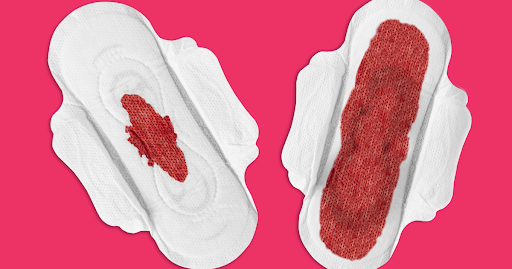
Menstruation is when a woman’s body discharges blood and mucosal tissue from the inner lining of the uterus. This occurs every 28 days or thereabouts. As the ovaries release the hormones estrogen and progesterone, the lining of the uterus thickens. If the woman fails to get pregnant, the lining begins to break down and bleeds, causing a period. This cycle is an important part of the reproductive process, as well as her overall health.
Not all periods are created equal. While some women experience extremely light bleeding, minimal cramps, and few mood swings, others suffer from extreme discomfort and bloating, heavy bleeding and clotting, and noticeable emotional distress. Certain medications (including birth control) are sometimes prescribed to ease these symptoms.
Common PMS Symptoms
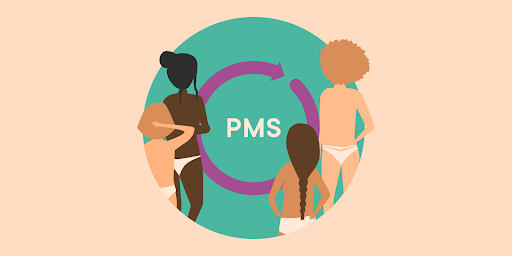
PMS has gotten a bad rap over the years. An acronym for premenstrual syndrome, PMS is often to blame when a woman is feeling irritable, sleepy, or extra hungry. PMS symptoms are both physical and emotional and tend to set up about five days before a woman’s period starts. This is when estrogen and progesterone levels are at their highest.
It’s this last PMS symptom that is the focus of this article. Approximately 25% of healthy menstruating women report having tummy troubles both before and during their periods. These are synonymous with IBS (irritable bowel syndrome) symptoms and include nausea, increased hunger, cramps, bloating, diarrhea, and increased flatulence.
Let’s take a look at why a woman’s period might trigger these gastrointestinal issues.
Why Am I So Gassy on My Period?
If you’re one of the many women who experience an increase in flatulence, bloating, and bowel movements during your period, you’re not alone. But why do some ladies get gassy during their time of the month and others don’t?
An Increase in Hormone Production
A spike in hormones is the main cause of increased gas during your period. Three main hormones are associated with period gas – estrogen, progesterone, and prostaglandins. The first two hormones are highest right before your period and are responsible for triggering the start of your monthly flow. As these hormones increase, your digestion slows down.
For sellers:
Connect with buyers who are looking to get acquainted with your scent
This causes your stool to become trapped in your colon and intestines longer, causing bloating, pressure, and gas. Not only does slow digestion produce more farts but smellier ones! The longer your stool remains in your intestines, the more bacteria builds up, creating stinkier and more painful toots.
While prostaglandin isn’t technically a hormone, its release is triggered by the spike in hormones many menstruating women experience. Prostaglandins are fatty acids responsible for uterine contractions. These contractions make it possible for your body to expel the lining of your uterus, along with any unfertilized eggs. They can also trigger diarrhea in some women. But it’s not just gas cramps that women experience during their period. Menstrual cramps are also caused by the release of prostaglandins and painful contractions.
Eating Different Foods in Larger Quantities
Period cravings are a real thing. Whether you crave sweet and savory treats or salty snacks, chances are, you’re consuming larger quantities of food both before and during menstruation. Once again, hormones are to blame. Higher levels of estrogen during the luteal phase (the time period between ovulation and the first day of your period) cause intense cravings for sweet foods and carbohydrates. One week before the start of menstruation, progesterone levels also spike and stimulate your appetite. You might find yourself eating larger meals more often or eating foods you don’t normally consume. All of these changes can trigger tummy trouble and toots.
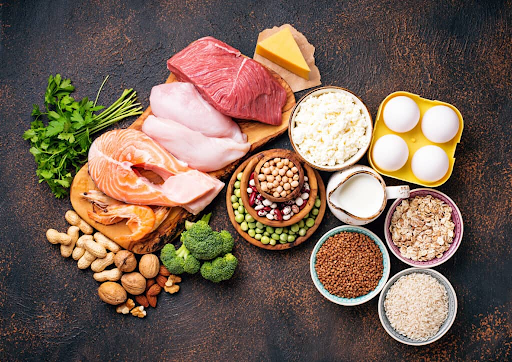
A newer study also suggests that insulin sensitivity during certain phases of the menstrual cycle may cause an increase in hunger and cravings. Insulin sensitivity is highest right before ovulation and then bottoms out in the days leading up to your period. Increased appetite can make it difficult to resist cravings for high-sugar and high-fat foods, both of which are proven to cause gas and gastrointestinal discomfort. These foods are also responsible for producing stinkier farts. Starches and sugars found in most carbohydrates and sweet snacks create large quantities of sulfur-type gas in your intestines. It’s this gas that makes your toots smell like rotten eggs. The more sulfur you consume, the smellier your farts will be. Unfortunately, this smelly substance is found in most foods, including animal proteins like chicken, turkey, and fish, plus eggs, nuts, grains, vegetables, and beans. As the old saying goes, “The more you eat, the more you fart!”
Tips for Reducing Gas During That Time of the Month
Increased gas, bloating, and overall discomfort are all associated with PMS and your period. The good news is that you don’t have to suffer through it. By making a few minor adjustments to your eating patterns and activity levels, you can reduce the frequency and foul odor of your farts.
Curtail Your Food Cravings
While this may be easier said than done, controlling your food cravings during “that time of the month” is one of the easiest ways to reduce unwanted gas. Try to snack smart and keep your meals small. While this doesn’t mean you can’t indulge in ice cream, candy, and other sweet treats, do so in moderation. You can also down a few glasses of water before you reach for the snack cabinet. Drinking water helps you feel full and may reduce how much snacking you do. You can also make healthy food swaps. For example, make a nutritious fruit smoothie instead of a dairy-filled milkshake. With a little creativity in the kitchen, you can still satisfy your period cravings without compromising your comfort.
Eat Slower
When PMS and period cravings hit, it can be hard to practice self-control. But before you start stuffing handfuls of food in your mouth, take a breath and slow down. Eating too quickly is a common cause of increased gas. As you inhale your food, you’re also inhaling and swallowing large amounts of air. This air gets trapped in your digestive tract as gas and, eventually, escapes out your mouth as a burp or out your bum as a fart.
Try preparing small, healthy meals and sitting down to eat. Snacking on the go or eating standing up can cause you to eat faster and more mindlessly. Allow yourself to indulge in a nice meal while sitting at the dining room table or counter. Take small bites and chew your food fully before swallowing. Give your body at least 20 minutes to digest before going back for seconds. All of these minor adjustments could result in big, positive changes for your digestive system and overall comfort while menstruating.
Drink More Water
Drinking water during your period doesn’t just keep you feeling fuller longer. It also keeps things inside your intestines running more smoothly. Healthy women should drink 11.5 cups of water per day. Avoid drinking caffeinated or carbonated beverages that may increase gas in your system and result in more frequent farting. Adequate water consumption also promotes healthy digestion and bowel movements.
Get Plenty of Exercise
Chances are, the last thing you want to do when you’re suffering from period cramps and heavy bleeding is exercise. Unfortunately, physical activity is scientifically proven to ease menstrual cramps, improve your mood, boost your energy levels, and reduce gas and farting. Although most women experience diarrhea and increased flatulence during their menstrual cycles, some women are cursed with constipation. As the more stool builds up in your system, the more discomfort you’ll feel. This also results in stinkier farts. Exercise is a quick way to ease constipation and get your bowels moving again. Walking for as few as 15 minutes can work wonders for your GI health, mood, and gas production.
Try a Probiotic
Probiotics have gained popularity in recent years as more people are learning the importance of gut health. Your stomach contains both good and bad bacteria that can support or impair healthy functioning. Good bacteria like lactic acid and bifidobacteria aid in nutrient absorption and healthy digestion. Bad bacteria like Clostridium perfringens and Escherichia coli (E. coli) can have adverse effects and cause a disruption in proper digestion. Harmful bacteria can also cause common digestive diseases like Crhon’s, IBS, and Ulcerative colitis.
Probiotics are a form of good bacteria and help keep your gut feeling good and functioning properly. Once ingested, these live microorganisms alter the body’s gastrointestinal flora, providing various health benefits. They also help create a harmonious equilibrium on your insides. Probiotics may also reduce gas and keep your period farts to a minimum.
FAQs About Period Gas
Whether you believe your period gas is above average or you still don’t understand why your menstrual cycle triggers more toots, check out these frequently asked questions.
Why do period farts smell so bad?
Did you know that only 1% of the gas contained in a human fart actually smells? The remaining 99% of gases are odorless and include hydrogen, methane, and carbon dioxide. If that’s the case, you may be wondering what causes such stinky farts – especially during your monthly cycle. Changes in your gut bacteria and composition during this time increase the amount of sulfur gas present in your intestines. Remember – more sulfur means more stench. This uptick in sulfur is caused by hormone changes and food cravings. If you’re one of the unlucky women who also experience constipation during her menstrual cycle, stool trapped in your intestines can also result in extra-smelly gas.
How long do period farts last?
While the average period lasts between 2 and 7 days, cravings, PMS symptoms, and gas can all last much longer. If your gas is triggered by PMS, you can expect to notice frequent flatulence between 1 and 2 weeks before your period starts. This is when ovulation occurs in preparation for a possible pregnancy. As a result, your body “holds everything in”, trapping gas, causing cramps, and triggering diarrhea for some ladies. As progesterone levels drop right before your period, so will these unpleasant side effects.
Do period farts stop when my period stops?
The progesterone present during PMS is also produced in high amounts during the early stages of pregnancy. So, if you’re pregnant and won’t be getting your period, you can still expect to get pretty gassy during your first trimester. Other lovely gastrointestinal side effects include constipation, morning sickness, bloating, and heartburn. You may also notice that it takes longer to digest your food, resulting in frequent belching and abdominal pain. Sadly, these gassy conditions won’t improve much as you move through your pregnancy.
On the other end of the spectrum are menopausal women. When a woman reaches menopause, she stops producing the hormones mentioned above and, therefore, stops ovulating. Without ovulation, the lining of the uterus doesn’t thicken or shed, and the woman will stop having her period. But does her gas also subside? Unfortunately, the answer is no! In fact, some menopausal and premenopausal women report another upswing in unpleasant odors. Similar to how an increase in hormones disrupts the digestive process during your period, the sharp decrease in these same hormones can also interrupt your natural flow of digestion. As digestion slows down, the body reabsorbs water into the bloodstream, causing increased gas and bloating. Constipation is another common occurrence as a woman moves into menopause.
Who knew that a woman’s period could be such a stinky business? Now that you know why you’re so gassy during your period, maybe you can capitalize on this influx of stinky gas. Click here to learn how to turn your smelly farts into fast cash!
High protein diets are good for a lot of things like building and maintaining muscle and losing weight. Incorporating more protein into your diet also has one less-than-desirable side effect for some people – increased flatulence. Not only does protein make you fart more often, but you may also notice that your toots are stinkier than ever. But why is this?
There’s no better feeling than waking up in the morning, stretching, placing your feet on the floor, and letting one rip! Did you ever notice that your flatulence is at an all-time high first thing in the morning? There’s a reason. And we’re going to tell you why!
Silent. Loud. Stinky. Odorless. No two farts are alike. Various things affect how strong our farts smell and how loud they are. But what about how they feel? If you’ve ever experienced a fart that felt warm or hot on its way out, this article is for you!
Silent. Loud. Stinky. Odorless. No two farts are alike. Various things affect how strong our farts smell and how loud they are. But what about how they feel? If you’ve ever experienced a fart that felt warm or hot on its way out, this article is for you!
Silent. Loud. Stinky. Odorless. No two farts are alike. Various things affect how strong our farts smell and how loud they are. But what about how they feel? If you’ve ever experienced a fart that felt warm or hot on its way out, this article is for you!
Silent. Loud. Stinky. Odorless. No two farts are alike. Various things affect how strong our farts smell and how loud they are. But what about how they feel? If you’ve ever experienced a fart that felt warm or hot on its way out, this article is for you!